

Key facts
The Appalachian Flood Coalition is calling for a federal policy to support flood resilience in the region.1
The coalition is updating its prior flood policy brief, which it released two years before President Donald Trump took office and before Hurricane Helene.1
The policy demands are outlined in a document called the “Flood Resilience in Appalachia Policy Platform,” which is cosigned by more than 50 organizations.1
A region battered by flood after flood
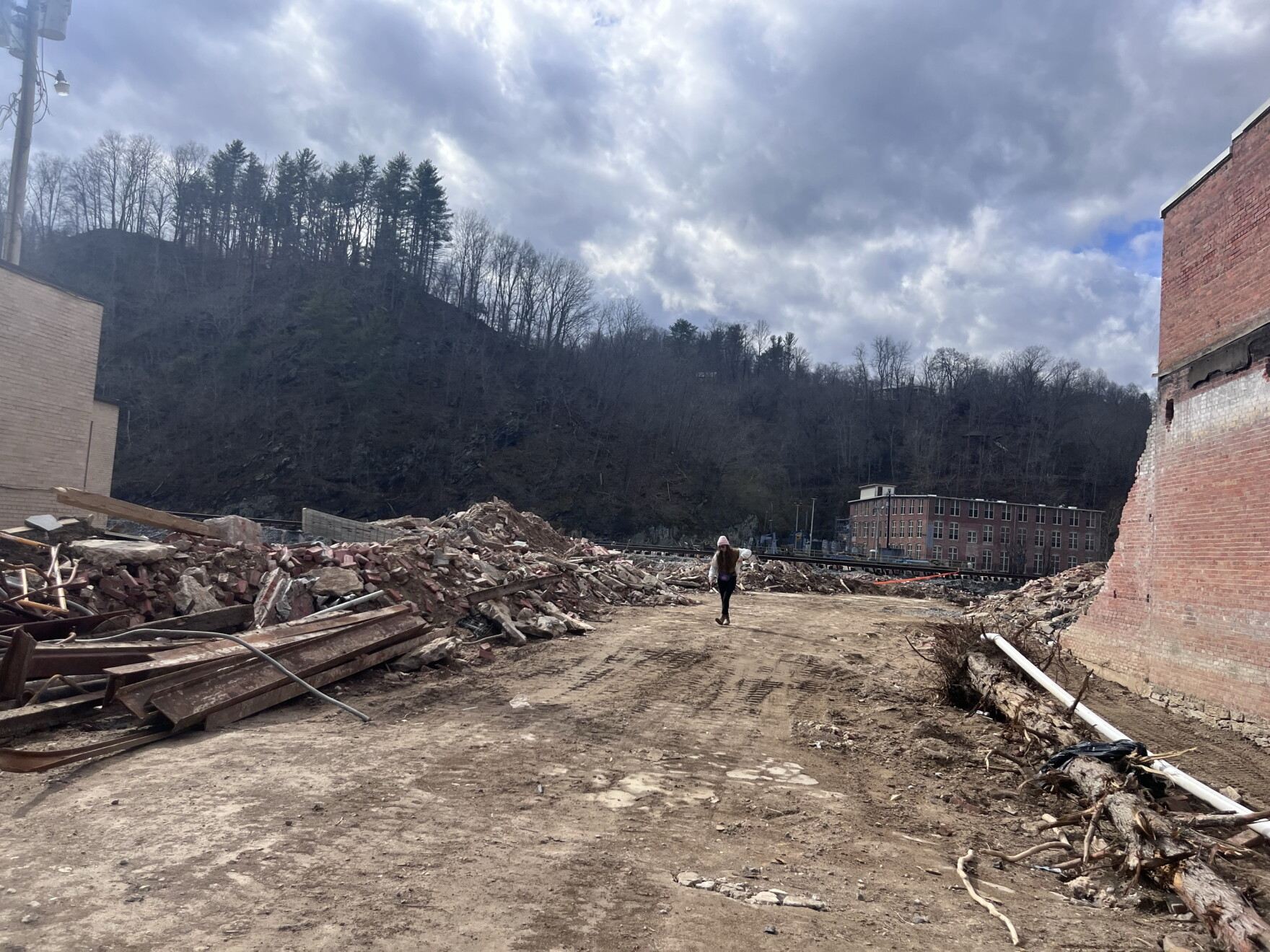
In the past ten years, the Appalachian region has experienced repeated, severe floods precipitated by days of extreme rain..1 It is cosigned by more than 50 organizations including MountainTrue, Appalachian Citizens’ Law Center, Reimagine Appalachia, and many of small and large nonprofit organizations from Western North Carolina to Pennsylvania, Kentucky, and West Virginia.1 Those include the West Virginia floods of 2016, the Kentucky floods of 2022 and Hurricane Helene in 2024.1
The coalition argues that a comprehensive federal policy push is needed to see impoverished rural communities through disaster recovery and prepare them for future disasters.1
FEMA staff cuts and slow responses
David Hoge, who directs West Virginia Voluntary Organizations Active in Disaster, said he worries many devastating floods are seeing a slow response from the federal government.1
“It was just such a crazy summer that it was sometimes hard to tell where one event ended and one started,” Hoge said.
This summer alone, Hoge counted nine high-water events across the state..1 There have been only six federal disaster declarations in the state since 2024.1
Disaster declarations release essential federal funding, including support for large-scale emergency search-and-rescue missions and money for public and individual assistance.1
FEMA lost 4,300 employees after DOGE operations reduced staff across the government in 2025, according to the Government Accountability Office.1
In an August 2026 report, the GAO wrote that FEMA has no strategic plan and is operating at a reduced capacity, while the administration argues states should take more of a lead in handling disasters.1
Rural and poor communities bear the cost
Jessia Arriens of the National Wildlife Federation said reductions in federal disaster support have largely left rural and poor communities in trouble, and states haven’t been able to make up the difference.1
The platform points to issues that result from a weakened FEMA, including housing shortages, outdated flood maps, slow processes to restore broken roads and bridges, and destructive debris removal that has stripped stream banks in North Carolina and Kentucky.1
The platform calls for increased federal funding for programs that address these specific areas of recovery.1
The coalition’s policy platform calls for hazard mapping, post-disaster housing, infrastructure repair and natural flood mitigation, among other priorities.1